Read less, learn more. Discover, save, and share takeaways.
When you make a promise to anyone, you rise above all the conditioning that limits me. No German shepherd ever promised to be there with me. No home computer ever promised to be a loyal help. . . . Only a person can make a promise. And when he does, he is most free.
What will become of young adults who look accomplished on paper but seem to have a hard time making their way in the world without the constant involvement of their parents?
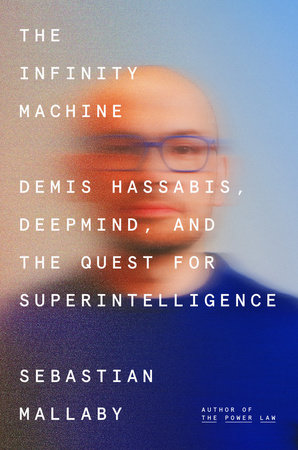
The United States needs to strangle Huawei," Republican senator Ben Sasse declared in 2020. "Modern wars are fought with semiconductors and we were letting Huawei use our American designs.
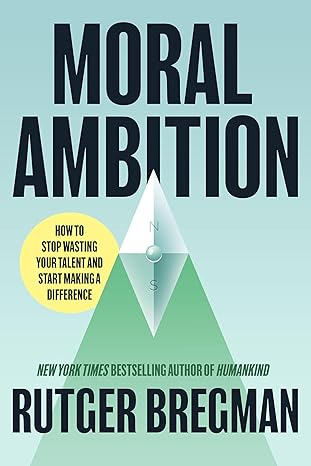
Suffering becomes formative when you connect it to a moral purpose and answer it with sacrificial service rather than diversion; it drags you beneath ego’s routines, exposes limits, teaches dependence and gratitude, and converts “Why me?” into “What should I do?” Dorothy Day’s imprisonments, public humiliation, and long seasons of inner conflict led her to read Scripture intensely in jail, to reframe pain as a call, and to insist that the proper response to pain is holiness, not hedonic compensation. This descent produced depth (“depressive realism”), then duty: she chose hard, prosaic service over self-expression, turning private agony into solidarity with those most wounded.
Reciprocity is critical. It’s one of the most powerful forces in the world.
Growth happens fastest and cheapest when you embed distribution, experimentation, and retention into the product so that each use recruits the next. The chapter dismantles the blockbuster-launch mentality and replaces it with an engineering-led loop: build something people need, integrate shareable touchpoints, test and track every step, and reinvest learnings into retention and optimization. Case studies like Hotmail’s footer-driven explosion and Gmail’s invite-only spread show that small, testable product changes can outperform massive ad budgets, provided teams accept the cultural trade-offs of rigorous measurement and iterative shipping.
We can reliably rate our own experiences, but not other people
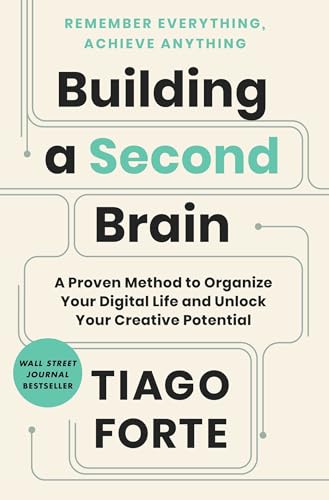
A lack of structure makes it much more challenging to stay focused for extended periods of time.
In the very moments you most want to hide—after failure or in fresh pain—practice a brief liturgy that operationalizes his promise. First, say aloud his invitation and self‑description from Matthew 11:28–30, thereby anchoring your imagination in his heart rather than your record. Second, name your concrete burden and, in prayer, hand it over, asking for the specific rest you need (clarity, courage, or consolation). Third, receive his yoke by committing one small act of obedience that aligns with gentleness today (a confession, a call for help, or a patient response). Expect measurable outcomes: diminished self‑condemnation, steadier breathing, and renewed willingness to re‑engage. This counterintuitive move—drawing near when you feel disqualified—leverages the very heart he says he has.
You are unable to change only because you are making the decision not to.
Accept Your Negative Emotions But Don’t Identify With Them
Tozer introduces the paradox that even after finding God, the soul continues to seek Him. He writes, 'To have found God and still to pursue Him is the soul's paradox of love.' This ongoing pursuit is not a sign of dissatisfaction but a deeper yearning for a fuller experience of God, exemplified by historical figures like Moses and Paul who continued to seek deeper knowledge and intimacy with God despite their profound experiences.
'A generative leader serves the people under him, lifts other people’s vision to higher sights, and helps other people become better versions of themselves,' Brooks writes. He highlights the concept of generativity, where individuals shift from a self-centered mindset to one that prioritizes nurturing and guiding the next generations. This transformation is illustrated through the story of a man who evolves from an ambitious careerist to a community-focused mentor and city planner.
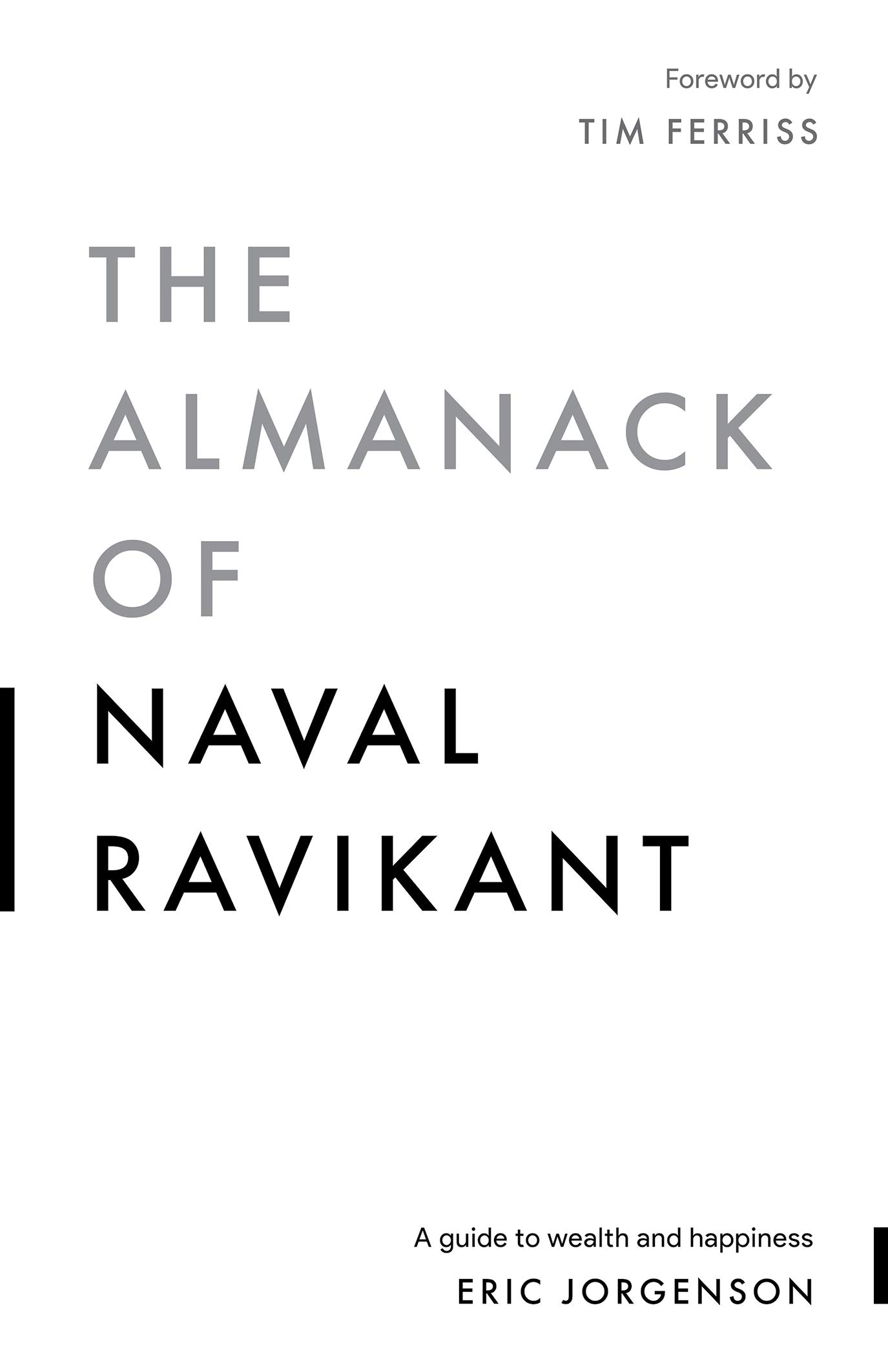
The upside of confusion is openness. Confused people listen better, not always, but more often than people whose minds are made up.
The role of a supportive community is pivotal in Butterfield's conversion and continued spiritual growth. She leaned heavily on the counsel of the women in her church, who provided honest and candid guidance. 'There is no such thing as an independent Christian. Nobody goes into battle alone.' This illustrates how communal support facilitates personal transformation, offering the necessary guidance and encouragement during arduous times.
The chapter advances a mental model in which Christ’s heart is gravitationally pulled toward misery, not pushed away by it. Gospel scenes repeatedly show him “moved with compassion” at concrete human need—touching lepers (Mark 1:41), weeping at a tomb (John 11:35–38), and feeding the hungry (Mark 8:2)—which signals a reflex of tender action rather than clinical detachment. This contravenes the common assumption that our weakness primarily provokes disappointment; instead, it activates his help. The trade-off to acknowledge is that such nearness to the unclean could be misconstrued as moral laxity; the text resolves this by showing that his purity is not compromised by compassion, because he bears sin to destroy it, not to excuse it (1 Peter 2:24).
Our practice is to bring a practical empathy to the work, to realize that in our journey to create change, we’re also creating discomfort. For our audience. And for ourselves. And that’s okay.
It's not the feeling as much as it's the aloneness in a feeling that feels so bad.
Strangers are not easy.
The chapter draws a fundamental distinction between the passive absorption of information and the proactive application of mindfulness techniques. This challenges the conventional belief that intellectual understanding alone suffices for personal growth. Through the author’s decade-long journey of learning about mindfulness without practice, the concept posits that real transformation occurs only through active engagement. Just as you can't master tennis simply by reading about it, so too must mindfulness be practiced to be effective.